English
 Français
 中国人
中国人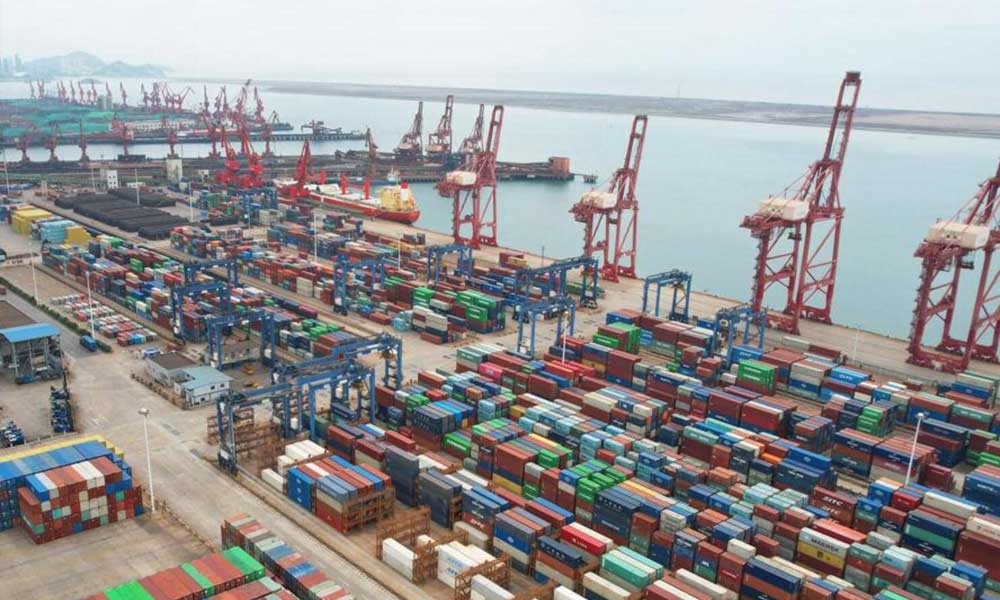
Chinese Exports Fall
China's exports fell during the first two months of the year, highlighting the fact that there is still a lack of demand for the nation's products. The export figures corroborate the government's worries that the global economy is hurting the country's recovery after the damage caused by lockdown measures.
Data released by the government on Tuesday also showed a decline in imports, which can be partly blamed on weak international demand as China imports many of the components and parts needed to make many of its exported goods.
Given high inflation elsewhere, international demand is likely to weaken further, also dampening production demand in China.
In January and February of this year, exports were 6.9% lower than in the same period in 2022, following a 9.9% drop in December. However, the combined monthly results were more positive than many had anticipated.
The import figure was significantly lower than forecast, with a decrease of 10.3% instead of the expected 5.6%, with imports continuing to decline from the 7.6% drop reported in December.
On Thursday, Wang Wentao, the Chinese Minister of Commerce - expressed his concern that China's imports and exports could fall drastically in 2023 due to the potential for a global economic recession and a reduction in international demand.
This year, China has targeted approximately 5% growth in GDP. This is significantly lower than the growth rate in 2022, which was only 3% higher than in 2021, and one of the lowest rates in decades for the second-largest economy in the world.
To reduce the effect of distortions caused by the changing timing of the Lunar New Year in January this year, the customs agency released the trade data for January and February in a single report.
Economists anticipate that imports will bounce back as people regain their confidence after the lockdown restrictions ended in December. However, they also point out that the sluggishness of foreign economies could affect Chinese imports.
During the first two months of this year, Chinese crude oil imports dropped by 1.4% compared to the same time in 2022, while natural gas imports dropped by 9.3%. However, coal and soybean imports rose in response to increasing domestic demand.
Last week, the National Bureau of Statistics revealed that manufacturing activity grew at its quickest rate in over ten years in February, providing economists with some grounds for hope.
Factory output from other Asian economies was not so positive, indicating that conditions in other countries are also weak.