English
 Français
 中国人
中国人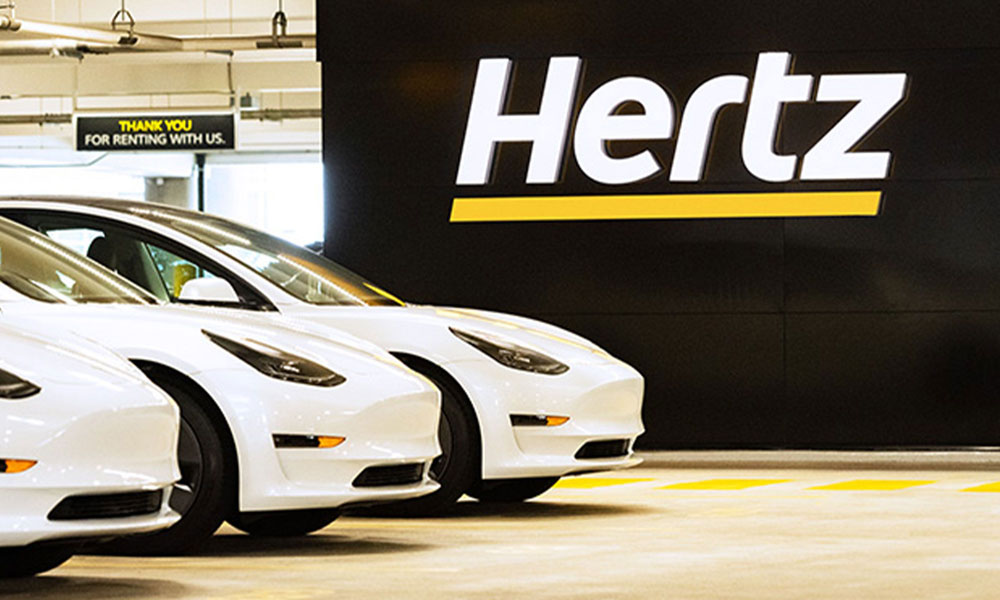
Hertz To Offload 20,000 EVs
Hertz Global Holdings Inc., one of the biggest car rental companies in the United States, has decided to sell off a large part of its electric vehicle (EV) fleet and transition back to non-electric cars with internal combustion engines (ICE). They began the process of offloading around 20,000 electric vehicles last month and will keep switching them out throughout 2024. Things have certainly changed since Hertz announced it was planning to add more EVs to its inventory, including 100,000 from Tesla back in 2021.
The company stated that people aren't as interested in renting electric cars as they had anticipated, and sales of EVs to the general public also took a hit in 2023.
High prices, poor range capabilities, the inconvenience of charging, and higher interest rates turned customers off. The CEO of Hertz, Stephen Scherr, also said that electric cars are more expensive to maintain, and it's been difficult to reduce those costs.
The value of Hertz's shares dropped by 4.3% on the release of the company's announcement to switch out these EVs. Last year, their stock price fell 32%.
However, Hertz isn't completely giving up on electric cars and is still watching how popular they are, both in general sales and within their own business. They plan to buy more EVs from General Motors and Polestar, but that purchase may be delayed and take much longer than expected.
Initially, Hertz hoped electric cars would be a big hit, attract higher rental prices, and hold their residual value better. But after Tesla cut its prices, the residual value of the electric cars Hertz owns also suffered a hit, and it's still not clear who, if anyone, will want to buy these used vehicles.
Hertz is now turning its attention to more affordable electric cars, like the Chevrolet Bolt and a $35,000 Chevy Equinox, which they believe will be easier to maintain and more profitable to rent.
Stephen Scherr said they're still committed to including electric cars in their fleet, but it will take more time to implement this strategy fully.
Financially, selling off part of its electric fleet should help Hertz's cash flow and earnings in the next couple of years. By the end of 2025, they expect improved financial results with higher income and lower costs and are predicting an extra $300 million in cash flow over 2024 and 2025.
Scherr had hinted at this change before, noting in October that they'd reduce the number of EVs down from about 11% of their total fleet. Teslas make up 80% of Hertz's electric cars inventory, and the higher costs of maintenance and repairing their EVs affected their profits and significantly contributed to why they failed to meet their earnings expectations in the third quarter.